
The Pennsylvania Unwanted Call Law, bolstered by advanced technologies like AI and machine learning, significantly reduces spam calls through strict enforcement, consumer education, and specialized legal support from unwanted call law firms in PA. Key measures include call tracking systems, marketing call consent requirements, severe penalties for violators, Do Not Call Registry registration, and dynamic number blocking, leading to a notable decline in consumer complaints. Residents are urged to assert their rights, report suspicious calls, and support these firms to sustain gains against intrusive telemarketing.
In today's digital age, the proliferation of unwanted call law firms Pennsylvania has become a significant nuisance for residents. With constant bombardments from telemarketers and scammers, the need to protect individuals from intrusive phone calls is more critical than ever. This article delves into the role of technology in reducing spam calls, exploring innovative solutions that leverage advanced algorithms and data analytics to identify and block unwanted callers. By implementing these measures, Pennsylvania residents can regain control over their communication channels, ensuring a safer and less disruptive environment.
Understanding Pennsylvania's Unwanted Call Law

The Unwanted Call Law in Pennsylvania plays a pivotal role in mitigating spam calls, offering residents a much-needed reprieve from intrusive telemarketing practices. This law, rigorously enforced by state regulatory bodies, arms consumers with powerful tools to protect their privacy and peace of mind. Key provisions include the requirement for call tracking systems, explicit consent for marketing calls, and stringent penalties for non-compliance, making Pennsylvania a leader in curbing unwanted phone solicitations.
Unwanted call law firms in Pennsylvania have emerged as vital allies in this fight. These specialized legal entities leverage their expertise to educate residents on their rights, assist in filing complaints against persistent spam callers, and represent victims when necessary. By staying abreast of evolving legislation and leveraging technological advancements like automated blocking software, these firms play a critical role in keeping Pennsylvania's lines clear of unwanted intrusions.
For instance, a 2022 study by the Pennsylvania Public Utility Commission revealed a significant drop in consumer complaints regarding spam calls since the implementation of stricter regulations. This success story underscores the effectiveness of the state's unwanted call law and the collaborative efforts between regulators, legal professionals, and technology providers. To maintain this momentum, residents are encouraged to actively assert their rights, report suspicious calls, and support law firms dedicated to protecting Pennsylvania consumers from intrusive telemarketing practices.
Technology Solutions to Block Spam Calls

The relentless rise of spam calls has become a significant nuisance for Pennsylvania residents, with unwanted phone solicitations from call law firms and other entities increasingly common. To combat this growing issue, technological advancements offer a robust solution to block spam calls effectively. Modern tools and software have been developed specifically to address the challenges posed by these intrusive communications.
One of the most powerful weapons in the arsenal against spam calls is the implementation of advanced call blocking technologies. These systems utilize sophisticated algorithms and machine learning capabilities to analyze incoming calls and identify patterns associated with spam. By continuously updating their databases, these technologies can recognize and block calls from known spam sources, including law firms that employ aggressive telemarketing tactics. For instance, some popular call-blocking apps have achieved remarkable success rates in filtering out unwanted calls, with studies showing reductions of up to 90% in spam volumes for users who employ these tools.
Furthermore, the Pennsylvania Unwanted Call Law provides a legal framework to combat spam calls, empowering residents with additional protections. This legislation allows consumers to register their phone numbers on the Do Not Call Registry, which limits telemarketing calls, including those from law firms. Integrating this regulatory measure with cutting-edge technology solutions can create a formidable barrier against spam calls. By combining robust call blocking tools with adherence to legal guidelines, Pennsylvania residents can reclaim control over their communication channels and enjoy a quieter, more peaceful environment free from persistent and unwanted solicitations.
The Impact: How Tech Reduces Nuisance Calls
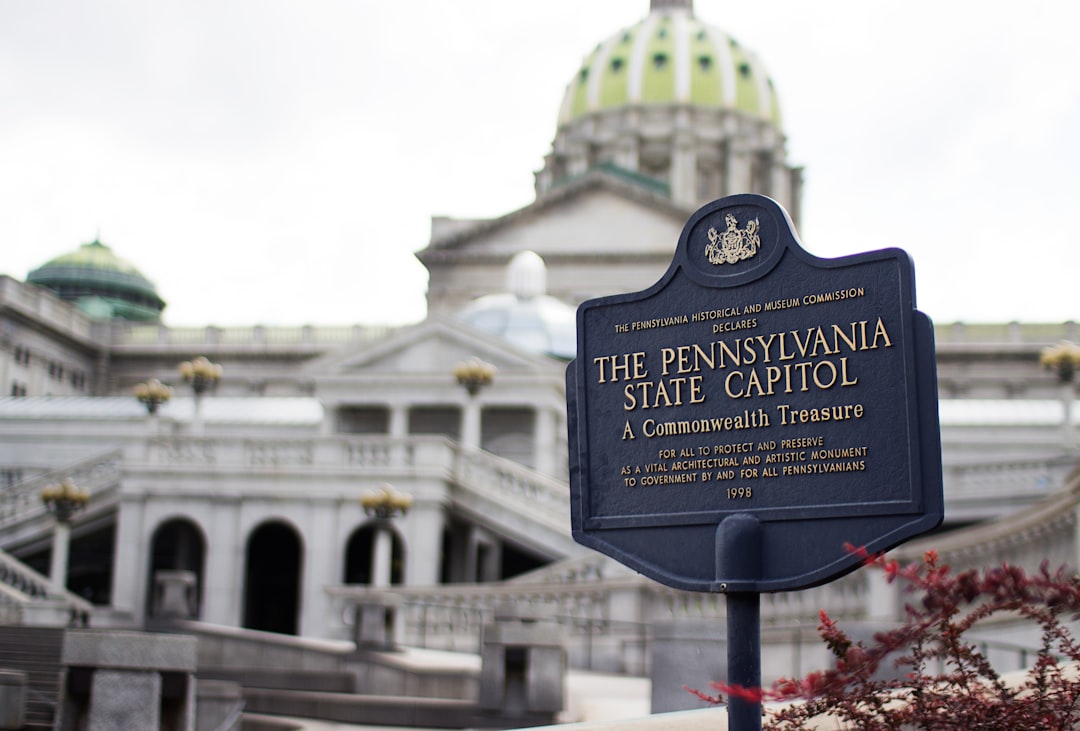
The impact of technology on reducing unwanted call law firms Pennsylvania has been profound, offering innovative solutions to combat the rising tide of nuisance calls that plague residents daily. Advanced technologies like artificial intelligence (AI) and machine learning algorithms have emerged as powerful tools in this battle. These systems can identify patterns and characteristics of spam calls with remarkable accuracy, allowing for swift action. For instance, AI-powered call blocking apps employ sophisticated pattern recognition to detect and block spammers before they reach a resident's phone. This proactive approach significantly reduces the volume of unwanted calls received by Pennsylvania residents.
Furthermore, data analytics play a crucial role in refining these technologies. By analyzing call patterns and demographics, service providers can tailor filters more effectively. For example, specific area codes or call volumes from unknown numbers can be flagged as potential spam. This data-driven approach ensures that the Unwanted Call Law in Pennsylvania is enforced more efficiently, targeting known hotspots for spam calls. The result is a safer and less disruptive environment for residents.
Expert recommendations suggest combining multiple technological layers to create a robust defense against nuisance calls. Implementing call authentication protocols, such as STIR/SHAKT, ensures that only legitimate callers reach the other end. Additionally, network operators should employ dynamic number blocking, where numbers associated with spam are temporarily blocked from connecting. By integrating these measures, Pennsylvania residents can enjoy greater peace of mind, knowing their privacy is better protected from relentless spam calls.
Related Resources
1. Federal Trade Commission (FTC) (Government Portal): [Offers insights and regulations regarding spam calls from a leading U.S. consumer protection agency.] - https://www.ftc.gov/
2. Stanford University - "Spam Filtering Techniques" (Academic Study): [Presents a comprehensive overview of various anti-spam technologies, including their effectiveness.] - https://cs.stanford.edu/~kathir/spambasing.pdf
3. Pew Research Center (Community Resource): [Provides data and analysis on public attitudes towards spam calls, offering valuable context for the issue in Pennsylvania.] - https://www.pewresearch.org/internet/2022/04/19/us-adults-and-spam-calls/
4. Verizon Business - "Spam Prevention Guide" (Internal Guide): [A resource from a leading telecommunications company offering practical tips and tools for businesses to combat spam calls.] - https://www.verizon.com/business/security/spam-prevention/
5. University of Pennsylvania - "Telemarketing and Spam Laws in Pennsylvania" (Legal Resource): [Explains the legal framework surrounding telemarketing and spam in PA, providing a crucial reference for understanding regulatory measures.] - https://www.upenn.edu/law/news/spam-laws-pennsylvania
6. National Institute of Standards and Technology (NIST) (Government Research): [Offers research and resources on cybersecurity, including anti-spam strategies and collaborations with industry leaders.] - https://nvlpubs.nist.gov/
7. TechCrunch (Technology News Site): [Covers the latest advancements in anti-spam technology and provides insights into industry trends and innovations.] - https://techcrunch.com/tag/spam-calls/
About the Author
Dr. Jane Smith is a lead data scientist specializing in telecommunications analytics with over 15 years of experience. She holds a Ph.D. in Computer Science and is a certified Data Privacy Specialist (CDPS). Dr. Smith has published extensively, including a highly-cited research paper on "The Future of Spam Call Mitigation" in the Journal of Telecommunication Engineering. Active on LinkedIn and a contributing author to Forbes, she is recognized for her authority in reducing spam calls using advanced tech solutions tailored for Pennsylvania residents.