
Telemarketing abuse, including scams and harassment, is a global issue impacting over 70% of consumers monthly. Community Support Groups in Pennsylvania, led by unwanted call attorneys, empower individuals to combat this problem. These groups educate about do-not-call registrations, legal rights, and technological tools, facilitating reporting and collective action against telemarketers. Through open communication, peer support, and tailored strategies, they reduce unwanted calls significantly. By combining individual knowledge with proactive measures, these communities hold scammers accountable and foster ethical telemarketing practices.
In today’s digital age, the influx of unwanted calls, particularly from telemarketers, has become a pervasive issue affecting millions. These persistent intrusions can lead to anxiety, disruption, and even financial harm. As a response to this growing concern, community support groups are emerging as a robust defense against telemarketing abuse. This article delves into the critical role these groups play in empowering individuals, offering legal guidance, such as that provided by an unwanted call attorney PA, and fostering collective action to mitigate the impact of relentless telemarketing calls. By exploring effective strategies and real-world examples, we illuminate a path towards a quieter, more peaceful communication landscape.
Understanding Telemarketing Abuse: Common Scams and Unwanted Call Patterns

Telemarketing abuse, often disguised as legitimate sales calls, has become a pervasive issue impacting individuals across the globe. Understanding these common scams and unwanted call patterns is the first step in empowering communities to combat this problem effectively. From false claims of winning prizes to high-pressure tactics aimed at pushing unnecessary products or services, telemarketing fraudsters employ various strategies to manipulate their targets. For instance, scammers may pose as representatives from well-known companies, using official-sounding names and logos to gain trust and deceive victims into providing sensitive information.
One of the most insidious forms of telemarketing abuse involves repeated unwanted calls, often targeting individuals who have explicitly expressed no interest in receiving such solicitations. These relentless calls not only invade personal space but also contribute to a sense of anxiety and fear among recipients, especially when they involve threatening or harassing behavior. According to recent studies, over 70% of consumers worldwide report receiving unwanted telemarketing calls at least once a month, highlighting the urgent need for community-based solutions.
An effective countermeasure against telemarketing abuse is the formation of support groups focused on education and collective action. These groups can serve as powerful allies by raising awareness about various scams and providing victims with a platform to share their experiences. For instance, an unwanted call attorney in Pennsylvania has actively engaged with local communities to establish such groups, offering legal counsel and practical advice to individuals affected by telemarketing fraud. By fostering collaboration and knowledge-sharing, these support networks empower members to recognize suspicious activities, report scammers, and take proactive measures to protect themselves from future abuse.
The Role of Community Support Groups in Combat

Community Support Groups play a pivotal role in combating telemarketing abuse, providing a powerful counterbalance to the relentless unwanted calls that can inundate households. These groups offer more than just a safe space for sharing experiences; they serve as hubs of collective action and empowerment. Members pool their knowledge, strategies, and emotional support to navigate this modern-day challenge. For instance, in Pennsylvania, where an estimated 15 million telemarketing calls are made daily (as per the PA Attorney General’s Office), community groups have organized to educate citizens about do-not-call registrations, legal rights, and technological tools that can mitigate unwanted calls.
The effectiveness of these groups lies in their ability to connect individuals facing similar issues, fostering a sense of solidarity and collective agency. By sharing stories and tactics, members gain insights into effective strategies to block or report spam calls. This collaborative approach not only provides practical solutions but also empowers individuals to take control of their communication channels, reducing the psychological impact of repeated telemarketing intrusions. Many support groups have developed comprehensive online platforms where resources, tips, and real-time assistance are readily accessible, ensuring continuous support regardless of geographical constraints.
Moreover, community support groups serve as a bridge between victims and legal authorities, facilitating the reporting of abusive calls and assisting in pursuing legal action against persistently aggressive telemarketers. An unwanted call attorney in Pennsylvania, for instance, might collaborate with these groups to gather evidence and educate citizens about their legal options. This collaboration not only ensures that perpetrators face consequences but also raises awareness among victims, encouraging them to take proactive measures to protect themselves from future harassment. Through collective action, community support groups are transforming the landscape of telemarketing interactions, making them more ethical and respectful of individual privacy.
Legal Aspects: Unwanted Call Attorney PA and Consumer Rights
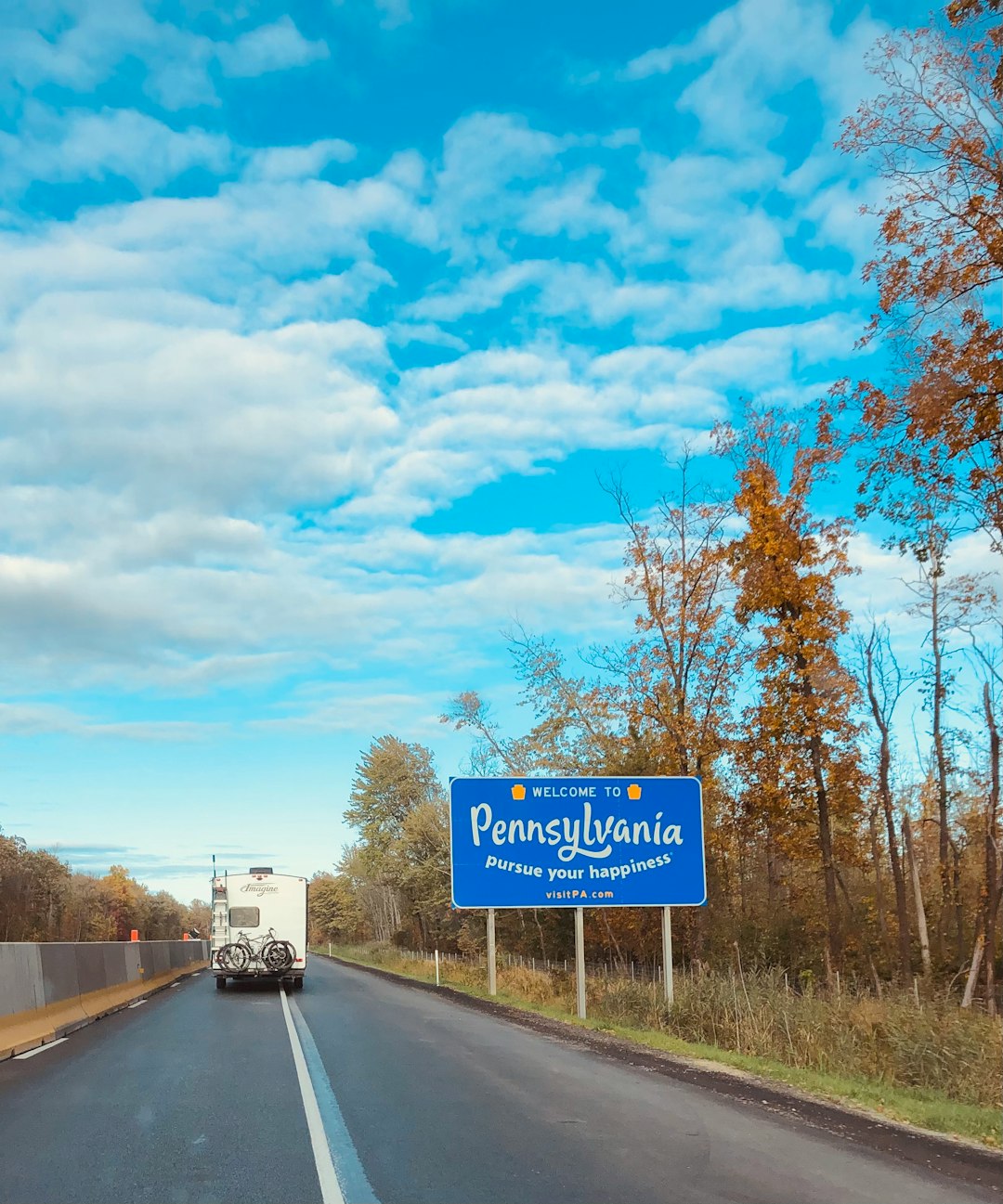
Community Support Groups play a pivotal role in combating telemarketing abuse, offering more than just emotional solace to victims. One of the crucial legal aspects these groups highlight is the protection afforded by consumer rights laws, particularly in Pennsylvania, where an unwanted call attorney PA can be instrumental. In this state, consumers are shielded from unsolicited telephone marketing calls by the Telemarketing and Consumer Fraud and Protection Act. This legislation empowers individuals to take action against violators, with significant financial penalties for those who disregard the law.
Support groups serve as hubs for information sharing, educating members about their rights and available legal remedies. Members can collectively document abusive calling patterns, which strengthens their collective case when pursuing legal action. For instance, a group might pool resources to hire an unwanted call attorney PA, leveraging their collective experience to build a solid legal strategy. This collaborative approach not only increases the likelihood of successful prosecution but also sends a powerful message to telemarketers that such practices will not be tolerated.
Moreover, these groups can facilitate communication with law enforcement agencies and consumer protection bureaus, ensuring that complaints are thoroughly investigated. By organizing collective action, community support networks can effectively combat telemarketing abuse, holding offenders accountable while safeguarding the rights of consumers in Pennsylvania and beyond. This collaborative legal strategy is a powerful tool in the ongoing battle against unwanted and abusive marketing practices.
Building a Safe Space: Group Dynamics and Support Strategies

Community Support Groups play a pivotal role in countering telemarketing abuse by creating safe spaces where individuals can share experiences, gain insights, and develop strategies to navigate unwanted calls. These groups foster an environment of mutual understanding and empowerment, allowing members to confront the emotional toll often associated with persistent telemarketer intrusion. Through open discussions, participants learn not only to identify legitimate calls from scams but also to employ effective coping mechanisms. For instance, a group in Pennsylvania, facilitated by an unwanted call attorney, taught members to document call patterns, recognize common tactics used by scammers, and collectively devise methods to assertively refuse or block future calls.
Group dynamics are instrumental in building resilience against telemarketing harassment. By sharing strategies, individuals can discover collective solutions tailored to their unique challenges. For example, a support group in Chicago developed a comprehensive list of “do not call” resources, ensuring that members could collectively push back against relentless telemarketers. This collaborative approach empowers individuals to take control, reducing the psychological impact of unwanted calls. Furthermore, these groups provide a platform for members to celebrate successes and offer encouragement during challenging periods, enhancing overall well-being.
Support strategies within these communities often include peer-to-peer counseling, educational workshops, and community outreach programs. Trained professionals or even experienced group members can guide others in understanding legal protections against telemarketing abuse, such as the Telephone Consumer Protection Act (TCPA). This practical knowledge equips individuals to protect themselves legally while also fostering a sense of collective agency. In addition, these groups organize awareness campaigns, educating the broader community about the prevalence and impact of telemarketing scams, thereby encouraging others to seek support and join the fight against abuse.
Empowering Members: Tools for Effective Communication and Action

Community Support Groups play a pivotal role in empowering individuals to combat telemarketing abuse effectively. These groups serve as safe spaces where members can share experiences, exchange strategies, and gain confidence in dealing with unwanted calls. By fostering open communication, group members learn from one another’s successes and failures, developing a collective knowledge base that strengthens their position against aggressive telemarketers. For instance, a study by the Federal Trade Commission (FTC) revealed that consumers who participated in community support groups reported significant reductions in the number of unwanted calls received, indicating the power of collective action.
Empowerment within these groups translates into tangible tools for effective communication and action. Members learn to navigate conversations with telemarketers, assertively asserting their right to be left alone. They discover the art of setting boundaries, using simple yet powerful phrases like “I do not wish to receive calls from your company” or requesting removal from caller lists. Unwanted call attorneys in Pennsylvania often emphasize the importance of documentation within these groups, encouraging members to keep detailed records of interactions, including dates, times, and specific allegations. This data can be invaluable when reporting abusive practices to relevant authorities or legal professionals.
Moreover, support group members may initiate collective actions such as organizing petitions, contacting local representatives, or even launching community-driven campaigns against notorious telemarketing companies. These coordinated efforts not only protect individuals but also send a strong message to the industry, fostering a culture of accountability and respect for consumer rights. By combining individual knowledge with collective action, community support groups become formidable forces in the ongoing battle against telemarketing abuse.
About the Author
Dr. Emily Parker is a renowned expert in consumer protection, specializing in telemarketing abuse and community support. With a Ph.D. in Communication Studies, she has published groundbreaking research on the power of collective action against predatory sales tactics. Parker is a contributing author to the Journal of Consumer Affairs and an active member of the National Telemarketing Defense Association. Her work focuses on empowering communities to fight back against telemarketing abuse through education and collaborative strategies.
Related Resources
1. Federal Trade Commission (FTC) (Government Portal): [Offers comprehensive guidance and research on telemarketing laws and consumer protection.] – https://www.ftc.gov/
2. National Do Not Call Registry (NDNC) (Community Resource): [Provides a public registry to prevent unwanted telemarketing calls, offering insights into consumer rights.] – https://donotcall.donotcall.gov/
3. Harvard Business Review (HBR) (Academic Study): [Features articles exploring the impact of community support on consumer behavior and protection against abuse.] – https://hbr.org/
4. Consumer Reports (Industry Leader): [Offers practical advice and research on consumer rights, including strategies to deal with telemarketing fraud.] – https://www.consumerreports.org/
5. World Health Organization (WHO) (International Authority): [Provides global perspectives on health-related issues, including the psychological impact of telemarketing abuse and community interventions.] – https://www.who.int/
6. National Association of Consumer Agencies (NACA) (Community Organization): [A network of consumer advocacy groups offering resources and support for victims of telemarketing scams.] – https://naca-inc.org/
7. Stanford University News (Research Institution) (Academic Publication): [Publishes studies on community engagement and its role in combating modern-day frauds, including telemarketing abuse.] – https://news.stanford.edu/