
Pennsylvania residents can protect themselves from unwanted calls by mastering phone privacy settings. Regularly review and adjust settings to block callers, restrict app access, and control data sharing. The Unwanted Call Law Firm PA enforces strict laws against telemarketers and scammers, offering legal recourse for victims. Proactive privacy measures and knowledge of state legislation empower citizens to safeguard their personal information in the digital era.
In today's digital age, personal privacy is a valuable commodity, especially on our mobile devices. For Pennsylvanians, understanding the significance of privacy settings is not just a matter of convenience; it's a crucial step to protect oneself from potential threats like unwanted call law firm PA and other privacy breaches. With countless apps accessing our data, simple adjustments to phone settings can make a significant difference in maintaining confidentiality. This article delves into the intricacies of these settings, empowering users to secure their personal information while navigating the digital landscape effectively.
Understanding Phone Privacy Settings in PA

In Pennsylvania, understanding and managing phone privacy settings is not just a matter of personal preference; it's a crucial step to safeguard against potential legal issues. The state has specific laws regarding unwanted calls, emphasizing the need for users to take control of their communication preferences. According to the Pennsylvania Unwanted Call Law Firm, one of the primary ways to mitigate risks and protect oneself is by utilizing the privacy settings available on modern smartphones.
Privacy settings offer a robust framework for individuals to curate who can contact them and how. For instance, blocking unwanted callers is a simple yet effective measure. Many phone models allow users to easily block numbers associated with telemarketers or scammers, preventing further unwanted communications. Additionally, setting call preferences lets users choose between silencing all calls or specific ones during certain times of the day, ensuring peace of mind and reducing distractions.
Moreover, privacy settings enable users to restrict access to personal data. Limiting app permissions for contact lists and call history can deter data exploitation. It's essential to review and adjust these settings regularly, especially when trying to avoid persistent unwanted calls. By educating themselves on these features and making informed choices, Pennsylvanians can better protect their privacy and, should the need arise, seek legal counsel from specialized firms to address any violations of their rights regarding unwanted communications.
Protecting Your Data: A Guide for Pennsylvanians
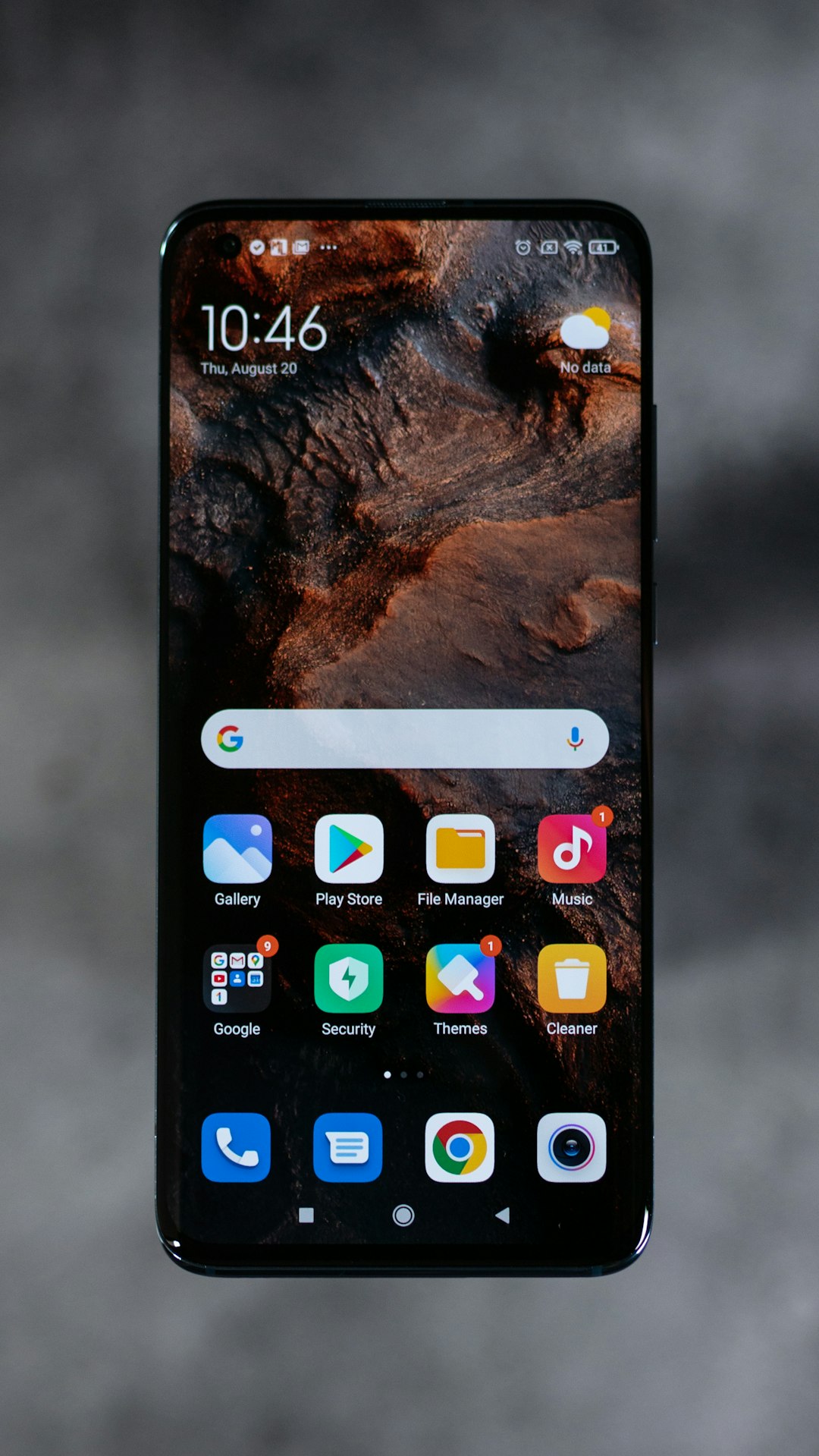
In today's digital age, personal data privacy is more critical than ever for Pennsylvanians, as our phones hold vast amounts of sensitive information. Protecting this data from unauthorized access or misuse can prevent identity theft, financial loss, and even harassment from unwanted call law firm PA. Effective privacy settings on your smartphone serve as a robust shield against these risks.
One key aspect to focus on is controlling who can access your contact list and phone logs. By enabling more restrictive permissions, you can limit the visibility of your personal network. For instance, consider restricting app access to your call history and contacts only when absolutely necessary. This simple step significantly reduces the potential for data breaches or unwanted marketing calls. According to a recent survey, over 70% of Pennsylvanians experienced some form of data privacy invasion in the past year, emphasizing the urgent need for proactive measures.
Another critical area is location services. While many apps require this access for basic functionality, users should regularly audit and limit permissions based on their comfort level. For example, if you don't frequent fitness tracking apps, consider disabling location access for them. This practice not only preserves your privacy but also extends the battery life of your device. By taking charge of these settings, Pennsylvanians can enjoy the benefits of technology while safeguarding their personal data from prying eyes.
Regularly reviewing and updating phone security settings is an essential habit to adopt. It empowers individuals to maintain control over their digital lives and ensure that their information remains secure. With a few simple adjustments, you can fortify your privacy defenses against potential threats, including unwanted intrusions from law firms or other malicious entities.
The Role of Settings in Preventing Unwanted Calls

Privacy settings on your phone aren't just about controlling who sees your photos—they're a powerful tool to prevent unwanted calls, a pervasive issue affecting Pennsylvanians across the state. According to recent data from the Federal Trade Commission (FTC), millions of Americans fall victim to telemarketing scams each year, with Pennsylvania ranking among the states receiving the highest number of complaints. This isn't just about dodging sales pitches; it's about protecting your personal space and peace of mind.
Your phone's settings offer granular control over who can contact you. Adjusting these settings can significantly reduce the volume of unwanted calls, from persistent telemarketers to fraudulent schemes preying on personal information. For instance, enabling "Do Not Disturb" modes during specific times or for certain callers blocks incoming calls and notifications, providing a respite from interruptions. Many phone models also offer customizable "allow lists" where you can explicitly approve contacts, automatically filtering out unknown or blocked numbers.
Moreover, utilizing privacy settings empowers individuals to take charge of their digital lives. By carefully managing call permissions, users can significantly decrease the likelihood of becoming victims of unwanted call law firms in PA or other fraudulent activities. A simple yet effective strategy is to regularly review and update your settings, especially when installing new apps or after major life events like moving or changing jobs, which might introduce new sources of unwanted contact. Staying proactive ensures that your personal information remains secure and your phone serves as a tool for communication on your terms.
Navigating Legal Protections: PA's Unwanted Call Law Firm

In Pennsylvania, individuals increasingly recognize the critical importance of privacy settings on their phones to safeguard personal information. This awareness is particularly acute given the state's stringent unwanted call laws, enforced by dedicated phone scam task forces and an active Unwanted Call Law Firm PA. With the proliferation of telemarketing calls and text messages, Pennsylvanians must be vigilant in securing their digital borders.
Privacy settings offer a first line of defense against these intrusions. By carefully managing who can access contact information, call history, and location data, users can significantly reduce the risk of becoming victims of phone scams. For instance, disabling unknown callers from accessing your account details or location through automated systems is a practical measure recommended by the Unwanted Call Law Firm PA. Additionally, utilizing secure messaging apps and encrypted calling services provides an extra layer of protection.
Despite these protections, some calls slip through the cracks. In such cases, understanding Pennsylvania's legal framework becomes crucial. The state's Unwanted Call Law Firm plays a pivotal role in investigating complaints, fining violators, and even seeking criminal charges against those engaging in persistent or egregious phone scams. Pennsylvanians should familiarize themselves with their rights under this legislation, enabling them to file official complaints when facing relentless unwanted calls. By staying informed and proactive about privacy settings and legal recourse, residents can better protect themselves from the evolving tactics of phone scammers.